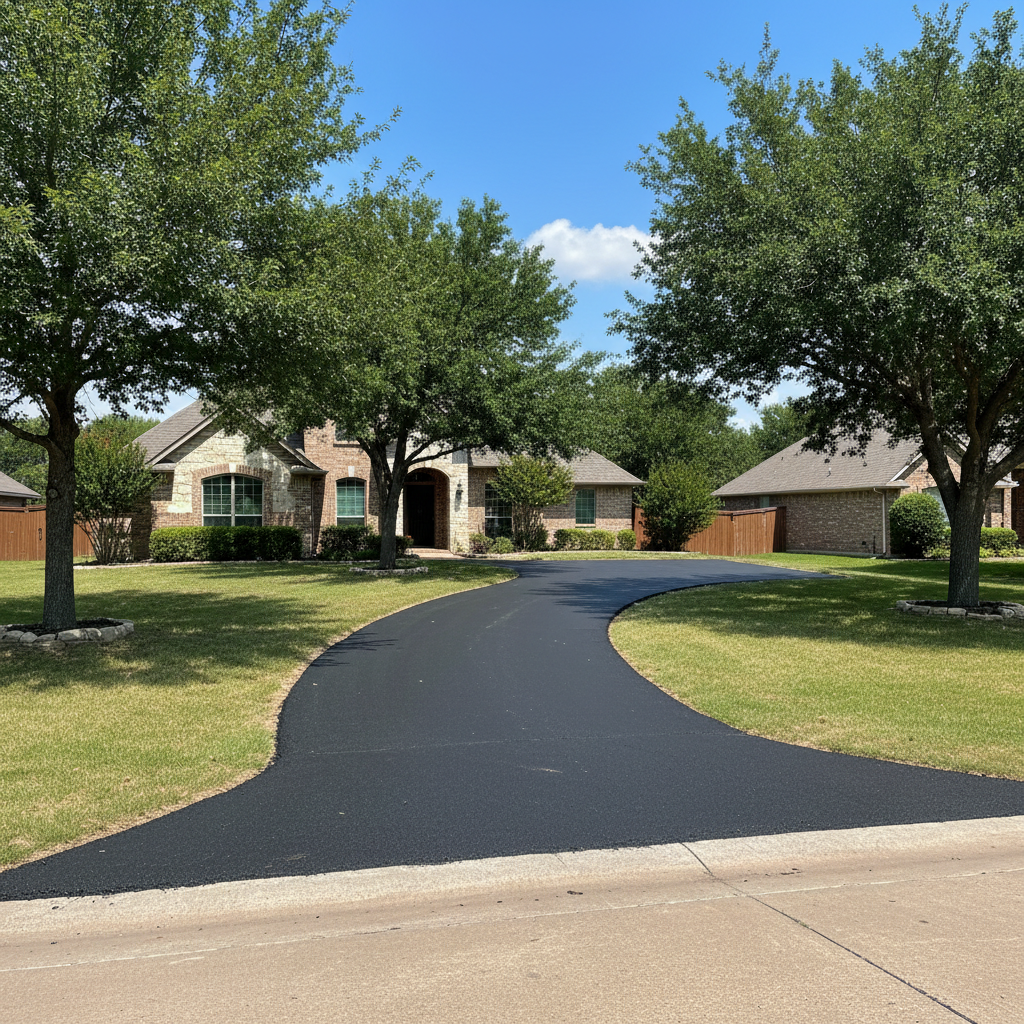
Your driveway is a big investment, no doubt about it. You want it to last, and you want it to look good for years to come. Here in New Deal, we've got some unique challenges with our climate – those scorching summers, sudden downpours, and the occasional freeze-thaw cycle can really do a number on asphalt if you're not paying attention. But the good news is, with a little regular care, you can significantly extend the life of your paved surface. I've seen it time and again.
Regular Maintenance: Your Best Defense
Think of your driveway like your truck; it needs routine check-ups. The biggest thing you can do to keep your asphalt healthy is to keep it clean. Dirt, leaves, and other debris can trap moisture, which is a real problem. Water is asphalt's worst enemy. Sweep it off regularly, especially after a big storm. If you've got oil or gas spills, don't let 'em sit. Those petroleum products break down the asphalt binder, making it brittle and prone to cracking. A little cat litter or sand to absorb the spill, then a good scrub with a stiff brush and some mild detergent, works wonders.
Another key part of regular maintenance is keeping vegetation in check. Weeds and grass love to push their way through cracks, turning small problems into big ones. Pull 'em out or hit 'em with an herbicide. Don't let tree roots get too close either; they can lift and crack your pavement from underneath. If you've got big trees near your driveway, like some of those old cottonwoods around the farming areas north of town, keep an eye on those roots.
Sealcoating: The Annual Tune-Up
This is probably the most important thing you can do for an asphalt driveway. Sealcoating isn't just about making it look pretty and black again; it's a protective layer. It shields your asphalt from UV rays, which dry out the binder and make it brittle, and it repels water and chemicals. For most residential driveways around here, I recommend sealcoating every two to three years. If your driveway gets heavy traffic or is in direct sunlight all day, you might consider doing it a bit more often. It's a relatively inexpensive way to prevent much more costly repairs down the line.
Warning Signs You Can't Ignore
You don't need to be an expert to spot problems early. Keep an eye out for these:
- Cracks: Small, hairline cracks are normal as asphalt ages. But if they start getting wider than a quarter-inch, or if you see a lot of them connecting, that's a sign water is getting in and starting to undermine the base.
- Potholes: These are usually a result of water getting under the pavement, freezing, expanding, and then thawing, causing the asphalt to break apart. Once you see a pothole, it's not going to get better on its own; it'll only get bigger.
- Fading or Graying: If your asphalt looks dull and gray instead of black, it means the binder is oxidizing. This makes the surface brittle and more susceptible to cracking. That's usually a sign you're overdue for sealcoating.
- Raveling: This is when the aggregate (the small stones) starts to come loose from the surface. It looks like your driveway is shedding its skin. This means the binder is failing, and the surface is weakening.
- Standing Water: After a rain, if you've got puddles that don't drain within a few hours, you might have a drainage problem or a depression in your pavement. Water sitting on asphalt is never a good thing.
When to Call a Professional
Look, some things you can handle yourself, like sweeping or cleaning up a spill. But for bigger issues, it's best to call in someone who knows what they're doing. You should definitely call us at Ace Asphalt Solutions if you see:
- Extensive cracking: If your driveway looks like an alligator's back (that's what we call 'alligator cracking'), it means the base is failing, and you're beyond simple crack filling.
- Deep potholes: While you can patch small ones, large or numerous potholes often indicate a deeper structural issue that needs professional assessment.
- Drainage problems: If water is consistently pooling in certain areas, it might require regrading or installing proper drainage solutions.
- Asphalt upheaval: If sections of your driveway are noticeably raised or sunken, that's a sign of a serious base problem or root intrusion that needs to be addressed correctly.
- You're just not sure: If you spot something and you're not certain if it's a big deal or not, it's always better to get a professional opinion. We'd rather you call us for a quick look than let a small problem turn into a full-blown replacement job.
Taking a proactive approach to your driveway's upkeep will save you headaches and money in the long run. A little effort now means your pavement will stand up to our New Deal weather for years to come.