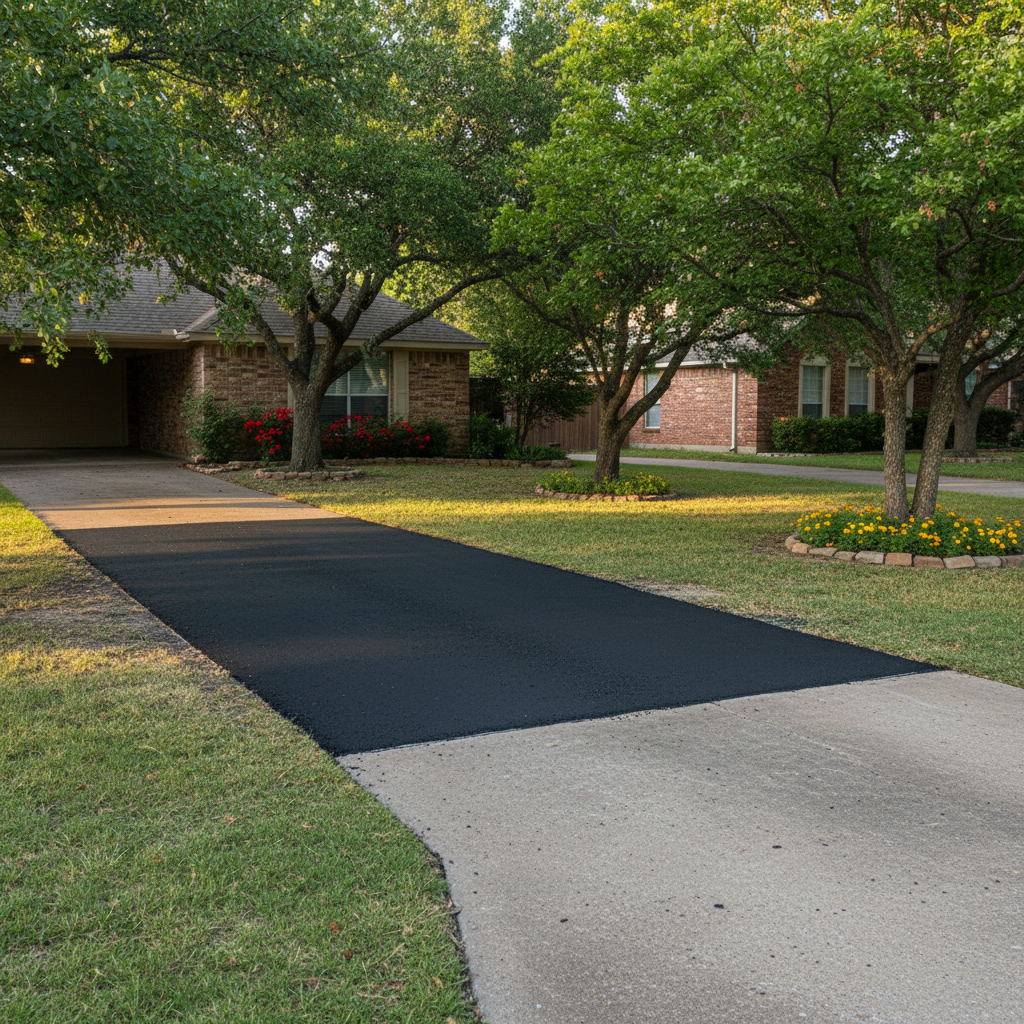
You've got a pothole. Or maybe a crack's turned into a spiderweb across your driveway. It happens, especially with our Texas weather, doesn't it? When folks call me about patching their asphalt here in New Deal, the first thing I usually ask is, 'What time of year are we talking?' Because timing and weather, they're everything when it comes to a patch that actually lasts.
The Best Time to Patch Asphalt in New Deal
Look, if you've got a serious hazard, you need to fix it ASAP, no matter the season. But if you're planning ahead or dealing with smaller issues, there's definitely a sweet spot. For us, that's usually spring and fall. Why?
- Spring (March-May): The ground's had a chance to dry out from any winter moisture, and the temperatures are consistently warm but not scorching. This helps the new asphalt material bond properly and cure without getting too brittle or too soft.
- Fall (September-November): Same deal here. The brutal summer heat has usually backed off, and we're not yet dealing with freezing temperatures. It's ideal for the material to set up just right.
Trying to patch in the dead of winter when it's freezing, or in the middle of a 100-degree August heatwave, that's just asking for trouble. The material won't cure correctly, and you'll be calling me back sooner than you'd like, trust me.
Weather Conditions That Matter for Patching
Beyond the season, daily weather conditions are super important. We're not just looking at the temperature; we're looking at a few things:
- Temperature: This is the big one. We need ambient temperatures to be at least 50 degrees Fahrenheit and ideally climbing, not falling. If it's too cold, the asphalt mix cools down too fast, making it hard to compact properly. If it's too hot, it can stay too soft for too long, leading to rutting.
- Moisture: You absolutely cannot patch asphalt if the area is wet. The surface needs to be dry. Water prevents the new asphalt from bonding to the old, and it can also get trapped underneath, leading to future failures. So, if we've had a big rain recently, or there's still dew on the ground, we'll need to reschedule.
- Wind: While not as critical as temperature or moisture, strong winds can cool the asphalt mix too quickly, especially when it's being laid down. It can also blow debris into the fresh patch, which you don't want.
I've seen folks try to DIY patch in less-than-ideal conditions, and it almost always ends up costing them more in the long run. It's just not worth it.
Protecting Your Investment Year-Round
Once you've got those patches done, you want them to last, right? Here's what you can do:
- Keep it Clean: Sweep off dirt, leaves, and debris regularly. This prevents organic matter from breaking down on the surface and holding moisture, which can lead to new cracks.
- Sealcoating: This is huge for protecting your asphalt. A good sealcoat every few years (depending on traffic and wear) acts like sunscreen and a raincoat for your driveway. It protects against UV rays, water penetration, and even oil spills. It's a small investment that pays off big time in extending the life of your pavement. Ace Asphalt Solutions does a lot of sealcoating work around here, and it makes a real difference.
- Address Small Issues Fast: Don't let a small crack turn into a big pothole. If you see a new crack forming, get it filled quickly. The sooner you address it, the less damage it can do.
- Watch for Drainage: Make sure water isn't pooling on your asphalt. Poor drainage is a killer for driveways. If water sits, it'll eventually seep in and undermine the base, leading to bigger problems. This is especially true with our heavy rains and the clay soils we often have out here in New Deal; water doesn't always drain away quickly.
Taking care of your asphalt isn't just about fixing problems; it's about preventing them. A little proactive maintenance goes a long way in keeping your driveway looking good and lasting for years.