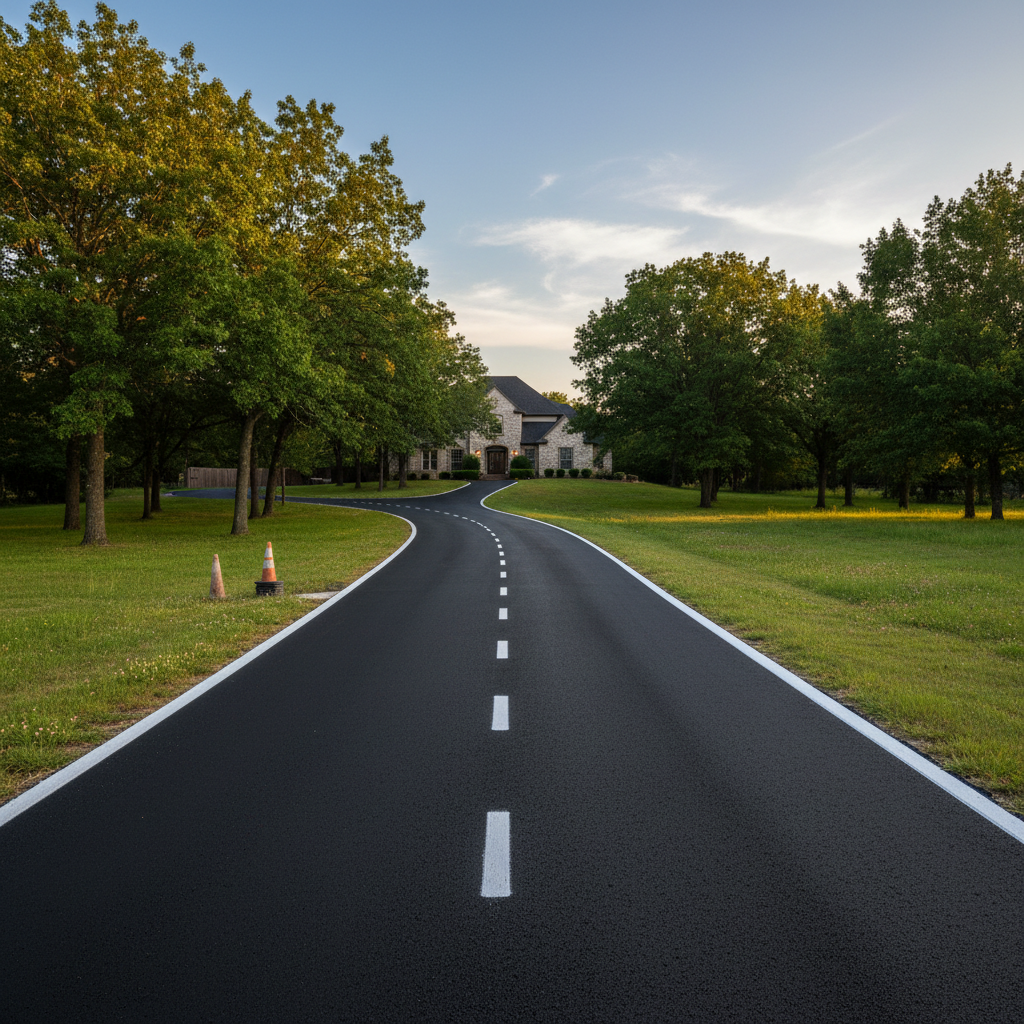
Ever wonder why some parking lot lines disappear so fast? Or why that fresh striping job looks great one day, then seems to vanish after a big rain? It's not just about the paint; it's a whole lot about timing and weather, especially here in New Deal.
Asphalt striping, whether it's for your home basketball court, a private drive with parking spots, or a small business lot, isn't something you can just do any old day. Our local climate plays a huge role in how long those lines will stick around and look good. I've seen it all, from perfect jobs that last for years to rushed ones that peel away after just a few months. Let's talk about how to protect your investment, shall we?
When's the Best Time to Stripe in New Deal?
For striping, you're really looking for that sweet spot in the weather. Generally, spring and fall are your best bets. Why? Because you need consistent, moderate temperatures and, most importantly, dry conditions. The paint needs to cure properly, and that takes time and the right environment.
Spring (March to May): This is often ideal. The ground temperatures are rising, but it's not scorching hot yet. You'll get plenty of sunny days, which helps the paint dry and bond well. Just keep an eye on those late spring showers; you definitely don't want to stripe right before a downpour.
Fall (September to November): Another great window. The intense summer heat has usually broken, and you still have plenty of dry, clear days. The cooler nights can slow down the curing a bit, but as long as the daytime temps are good, you'll be fine. Again, watch out for early winter freezes or heavy rains.
What you really want to avoid is the dead of summer or the middle of winter. Our New Deal summers, with those 100-degree-plus days, can make the asphalt too hot. This causes the paint to dry too quickly on the surface before it's properly bonded underneath. And in winter? Forget about it. Cold temperatures and moisture are the enemies of good striping.
Weather Conditions That Matter Most
When I'm looking at a striping job, I'm not just checking the forecast for today. I'm looking at the forecast for the next 24-48 hours. Here's what really counts:
Temperature: The asphalt surface needs to be at least 50°F, and ideally, the air temperature should be above that too. If it's too cold, the paint won't flow right, and it won't stick properly. If it's too hot, it can flash dry, meaning the top layer dries before the bottom, leading to cracking and peeling.
Humidity: High humidity can really slow down the drying process. We don't usually have tropical humidity here, but a really muggy day can definitely impact how quickly the paint cures.
Moisture: This is a big one. The surface absolutely has to be dry. Any moisture — whether it's dew, rain, or even just high humidity condensing on a cool surface — will stop the paint from sticking. If it's rained recently, we need to give the asphalt plenty of time to dry out completely, not just on the surface but deep down too. Those clay soils we have here in New Deal can hold onto moisture for a while, so patience is key.
Wind: A little breeze is fine, even helpful for drying. But strong winds can cause problems with overspray, making your lines look messy. They can also carry dust and debris onto the wet paint.
So, if you've got a striping project in mind, don't just call up on a whim. Think about the weather. A good contractor, like us at Ace Asphalt Solutions, will always consider these factors before scheduling your work. We'll tell you if it's not a good day to stripe, even if it means rescheduling. It's better to wait for the right conditions than to do a job that won't last, right?
Protecting Your Striping Investment Year-Round
Once those lines are down and cured, you want to keep 'em looking sharp. It's not just about the initial application; ongoing care makes a huge difference.
Keep it Clean: Dirt, dust, and debris can wear down the paint over time. Regular sweeping or blowing off your paved areas helps a lot. If you've got a business lot, this is especially important for curb appeal.
Watch for Chemicals: Oil, gas, and other automotive fluids can break down asphalt and paint. Clean up spills quickly. If you have a vehicle that's leaking, try to get that fixed to prevent damage to your pavement.
Sealcoating: This is probably the single best thing you can do to protect your striping and your entire asphalt surface. A good sealcoat every few years acts like sunscreen and a protective barrier. It helps the striping last longer by providing a fresh surface for the paint to adhere to, and it protects the asphalt from UV rays, water penetration, and chemical spills. If you're planning on sealcoating, it's usually best to do that first, let it cure, and then apply the striping.
Avoid Heavy Traffic Too Soon: After striping, give the paint ample time to fully cure. This isn't just about surface dryness; it's about the paint hardening all the way through. Your contractor will give you a specific timeline, but typically, you're looking at 24-48 hours before allowing heavy vehicle traffic on fresh lines.
Taking a little extra care and paying attention to the weather can save you a lot of headaches and money in the long run. Good striping isn't just about aesthetics; it's about safety and organization, especially in parking areas. If you're thinking about getting some lines painted, give us a call. We'll make sure it's done right, with our New Deal weather in mind.