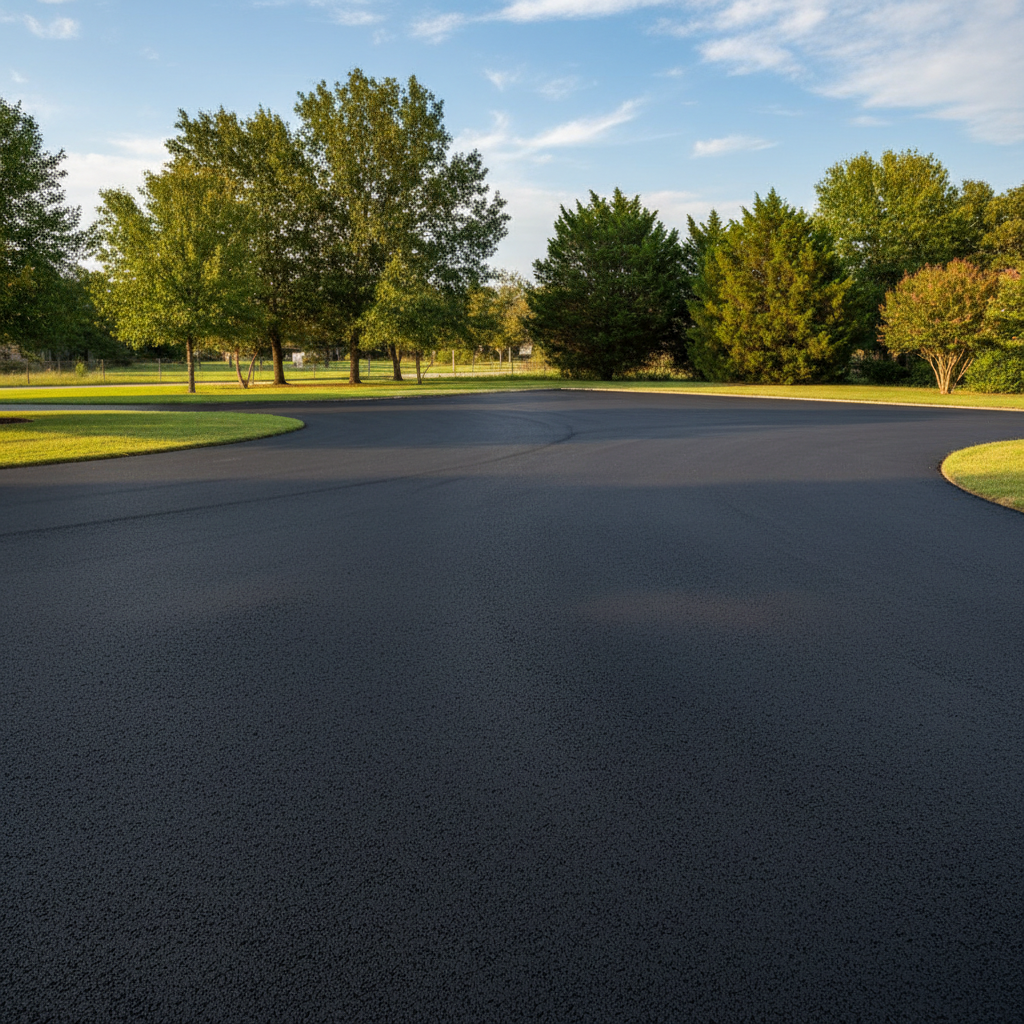
What's the best time of year to pave a parking lot in New Deal?
Honestly, spring and fall are your best bets around here. The temperature is the main thing. Asphalt needs to go down when it's warm enough to be flexible and cure right, but not so hot that it dries out too fast or causes compaction problems. In New Deal, that means you'll want to skip the middle of summer when temperatures can easily hit triple digits. And definitely stay away from winter, when we get those hard freezes. If it's too cold, the asphalt won't compact correctly, and you'll end up with a weaker surface that breaks down quicker. Too hot, and it can be tough to work with, plus it might not cure evenly. Aim for those sweet spots when it's consistently above 50 degrees but below 90. That gives the material its best chance to bond and set up strong.
How long does a new asphalt parking lot usually last?
A well-installed asphalt parking lot, with the right maintenance, should easily give you a good 15 to 20 years, sometimes even more. Now, that doesn't mean you won't see any cracks or need some minor repairs along the way. That's just part of owning asphalt, isn't it? But the foundation, its whole structure, should hold up for that long. What really makes a difference in how long it lasts is the quality of the initial installation – things like proper base preparation, good drainage, and the right thickness of the asphalt layers. If you cut corners on any of those, you're going to shave years off its life. And once it's in, regular sealcoating and crack filling are super important. Think of it like changing the oil in your truck; you wouldn't expect it to last without it, right?
Do I need a permit to pave or repave my parking lot?
For most residential parking areas or smaller commercial lots, you typically don't need a special permit just for paving in New Deal. There are exceptions, though. If your project involves big changes to drainage, grading, or if you're making the lot bigger, you might need to check with the city or county planning department. For instance, if you're digging up a lot of earth or changing how water flows off your property onto a public street, they'll definitely want to know about it. It's always smart to make a quick call to the New Deal City Hall or Lubbock County Planning Department before starting any big project. Better safe than sorry, you know?
What's the difference between sealcoating and repaving?
These are two very different things, and people mix them up all the time. Sealcoating is a preventative maintenance step. It's like putting sunscreen on your skin or paint on your house. We put a thin liquid layer over existing asphalt to protect it from UV rays, water, oil, and other stuff that breaks it down. It makes your lot look fresh and adds a few years to its life. You usually do this every 2-5 years, depending on how much traffic it gets and how much wear and tear it sees. Repaving, on the other hand, is a much bigger job. That's for when your asphalt is really falling apart – lots of deep cracks, potholes, or it's just deteriorated. Repaving means we remove the old, damaged asphalt, fix the base if it needs it, and then lay down a brand new layer of asphalt. It's a full-on reconstruction, not just a protective coating. You sealcoat to avoid having to repave too soon.
How much does parking lot paving cost?
This is probably the question I get asked most often, and it's also the hardest to answer simply without actually seeing the job. There are just so many variables. The size of the lot, obviously, is a huge factor. Then there's the condition of the existing base – sometimes we find that the soil underneath, especially the clay soils we have around New Deal, needs a lot of work to stabilize it before we can even think about laying asphalt. Drainage requirements, the thickness of the asphalt layers needed for the traffic it'll get, and any demolition of old pavement all play a role. A small residential parking pad will cost a lot less than a big commercial lot with heavy truck traffic. I always tell folks, the best way to get an accurate cost is to have us come out, take a look, and give you a free, no-obligation estimate. That way, we can factor in all the specifics of your project.
Can you pave over an existing concrete parking area?
You can, but it's not always the best idea, and it comes with some important things to consider. When you pave asphalt over concrete, you're creating what we call a 'composite pavement.' The main problem is that concrete and asphalt expand and contract at different rates when the temperature changes. This can lead to 'reflection cracking,' where the cracks in the concrete underneath eventually show through your new asphalt layer. If the concrete below is in really bad shape, those problems will just transfer right through to the new surface. If the concrete is structurally sound and has good drainage, it can be done, but we'd usually suggest a thicker asphalt overlay and sometimes a special interlayer to help reduce those reflection cracks. Often, if the concrete is failing, it's better to remove it and start fresh with a proper asphalt base. We'll assess it and give you our honest opinion on what makes the most sense for your situation and budget.
Got more questions or ready for an estimate? Don't hesitate to reach out to us at Ace Asphalt Solutions. We're here to help New Deal businesses and homeowners with all their paving needs.